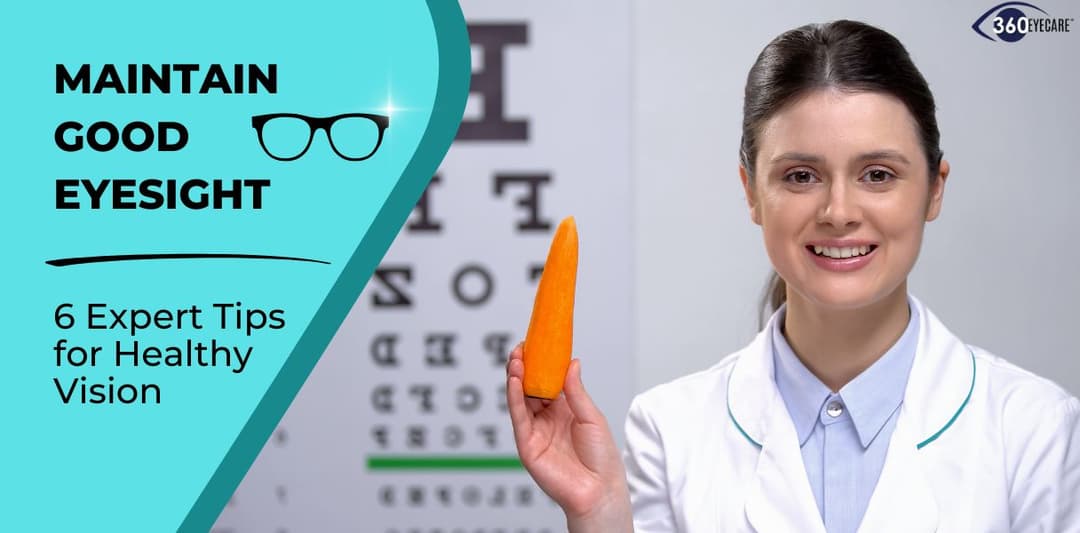
Sight is a primary sense. Don’t take it for granted. In fact. You should adopt the following 6 tips to maintain good eyesight.
1. Eat for good vision
Good vision starts with what you put on your plate. Foods rich in lutein, omega-3 fatty acids, vitamin C and E, as well as zinc, will help you ward off age-related vision problems like cataracts and macular degeneration. Which foods contain these nutrients? Well, the list includes;
- green and leafy vegetables like spinach, collard, and kale
- tuna, salmon, and other types of oily fish
- eggs, beans, nuts, plus a host of other non-meat proteins
- oranges, tangerines, and other citrus fruits
- pork and oysters
All in all, eat a well-balanced diet. This not only helps you maintain good health but also keeps you free of obesity-related diseases like type 2 diabetes, which is a leading cause of blindness in adults. For a deeper look into habits and routines that support eye health across all ages, check out Healthy Eyes at Every Age, which provides practical tips for residents of The Beaches, Yorkville, and Rosedale.

2. Do not smoke
Smoking is dangerous not only to your lungs but also to your eyesight. The behavior makes you much more susceptible to optic nerve damage, macular degeneration, and development of cataracts. If you are a smoker, try to stop. As much as it is hard to quit, keep trying. The more times you keep trying, the more likely you are to succeed.
3. Put on sunglasses
Wearing the right type of sunglasses will protect your eyes from harmful UV rays. Too much exposure to UVA and UBB rays increases the chance of a macular degeneration and development of cataracts. Go for sunglasses that offer 99% to 100% protection from harmful sun rays. Some of the options available include sunglasses, polarized lenses, and wraparound lenses.
4. Consider safety eye-wear
Are you a sports enthusiast keen on cycling, playing hockey, lacrosse or beach volleyball? Does your work involve dealing with hazardous/ airborne materials like flying debris? if the answer is yes, consider wearing protective eyewear like goggles or helmets with protective face marks. This way, you shield your eyes from objects that would otherwise cause injury.
5. Take a break from the TV/ computer screen
Watching too much television or staring at a computer monitor for too long can lead to eyestrain, dry eyes, blurry vision, neck, back, and even shoulder pain, headache, and trouble focusing on distant objects. If you must, take the following precautionary measures;
- Put on anti-glare glasses
- Position the PC such that your eyes sit level with the top of the monitor
- Install an anti-glare screen
- Every 20 or so minutes, rest your eyes by looking at an object positioned 20 feet away from you, for about 20 seconds.
- Take 15-minute breaks every 2 hours
6. Make an appointment with your ‘eye doctor’
Everyone (including children) should have their eyes checked by an optometrist regularly. This helps diagnose eye diseases like glaucoma, which hardly have any symptoms. Early detection of such issues makes it easier for these conditions to be treated. You can expect them to carry out a number of tests, from vision screenings to more specialized exams.
If you’re looking for a trusted professional in your area, searching for an Eye Doctor Near Me is a good place to start. Scheduling regular visits ensures your eyes stay healthy, and any vision changes are addressed promptly before they become serious problems.
These are foods and habits for better eyesight. Ignore them at your own peril.
Share this article: