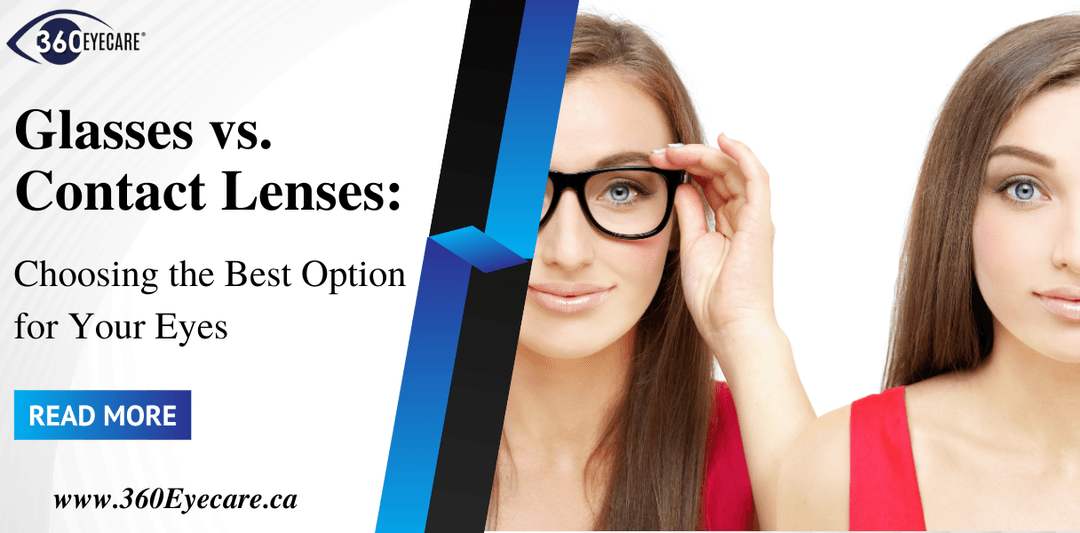
The glasses vs. contact lenses debate centres on lifestyle, comfort, and how you prefer to navigate the world. On some mornings, you want the intellectual edge that frames provide. Other days, you crave the freedom of unobstructed peripheral vision. The choice of which is better isn’t straightforward. It depends on several medical factors and your personal preference as a person. This guide provides a comprehensive explanation of both choices, the individual advantages of each option, the most suitable for your condition, how to care for them, and other tips.
Key Takeaways:
- Your choice depends on lifestyle, not which option is “better”
- Sports, swimming, and outdoor activities favor contact lenses for freedom and safety
- Glasses offer convenience and lower maintenance; no daily cleaning routines, lower infection risks, and they last for years
- Glasses cost more upfront but contacts create ongoing monthly expenses that add up
- Switch between options based on daily activities rather than limiting yourself to one choice
What’s the Difference Between Glasses and Contact Lenses?

Glasses correct vision by placing curved lenses at a distance from your eyes, while contact lenses sit directly on your eye’s tear film to redirect light. Both achieve the same goal, but in different ways.
Pros and Cons of Glasses and Contact Lenses
Your decision on which of the two shouldn’t be dependent on what worked for your college roommate. Here’s what matters in your choice:
Glasses Pros:
- There’s zero risk of eye infections
- They last for years with proper care
- They transform your style
- You’re protected from wind, dust, and UV rays
- They’re easy to clean and maintain
Glasses Cons:
- They’re susceptible to fogging in weather changes
- They have limited peripheral vision
- They easily slip during physical activity
- There are reflection issues in photos
- You’re limited by style based on your face shape
Contact Lenses Pros:
- They provide a complete field of vision
- No weather interference
- There’s freedom during sports and activities
- Natural appearance in photos
- There’s a wider range of corrective options
Contact Lenses Cons:
- They need to be maintained daily
- Higher long-term costs
- There are risks of eye infections if mishandled
- They can be lost or torn
- They’re not suitable for everyone’s eye chemistry
Which Eye Conditions Can Glasses or Contacts Correct?

Both glasses and contact lenses tackle the same vision problems, but their effectiveness depends on your condition and lifestyle needs.
1. Nearsightedness (Myopia)
In nearsightedness, distance vision is blurry while close-up tasks maintain clarity. Both glasses and contacts are best here, though contacts provide better peripheral vision for activities like driving. Severe myopia sometimes responds better to custom contact lens designs that slow progression in children.
2. Farsightedness (Hyperopia)
For farsightedness, close-up work strains your eyes while distant objects appear clearer. Glasses work immediately and effectively. Contacts require a brief adjustment period since they sit directly on your eye, but many people prefer them for reading and computer work once adapted.
3. Astigmatism
With astigmatism, your cornea’s irregular shape creates blurry vision at all distances. Standard glasses correct most astigmatism cases easily. Toric contact lenses handle astigmatism too, though they cost more and require precise fitting. Severe astigmatism often responds better to rigid gas-permeable contacts than soft lenses.
4. Presbyopia
Age-related reading difficulty typically starts in your 40s. Progressive glasses offer seamless vision correction across all distances. Multifocal contacts work but require patience during the adjustment period. Many people use reading glasses over distance contacts as a hybrid solution.
5. Severe Refractive Errors
Extreme prescriptions create thick, heavy glasses that distort your appearance and vision quality. High-index lenses help, but don’t eliminate the problem. Contacts provide more natural vision correction and eliminate the magnification or minification effect of strong prescriptions.
Are Glasses or Contact Lenses Better for My Lifestyle?

Your daily routine determines which option serves you best.
1. Active and Athletic Lifestyles
Contacts win for athletes. They don’t bounce, fog up during temperature changes, or limit your peripheral vision when tracking a ball. Sports glasses exist, but they create blind spots and can shatter.
Swimming requires daily disposable contacts (never wear monthlies in water) or prescription goggles. Rock climbing, martial arts, and contact sports heavily favor lenses. Your sweat won’t create slipping issues, and you won’t worry about expensive frames getting damaged.
2. Professional and Office Environments
Glasses often project authority and intelligence in corporate settings. They’re also practical for computer-heavy jobs since you can get blue light filtering and anti-reflective coatings. There’s no risk of dry eyes during long screen sessions.
Contacts work better for jobs that require safety goggles, helmets, or frequent temperature changes. Restaurant workers, laboratory technicians, and outdoor professionals typically prefer lenses. Video calls look more natural without frame reflections.
3. Social and Appearance Considerations
Glasses change your entire look instantly. They can enhance facial features, hide under-eye circles, or become a signature style element. Dating profiles often perform better with glasses since they suggest intelligence and stability.
With contacts, makeup application becomes easier, and when wearing sunglasses, they fit properly. During photography and special events, the pictures often look better because there are no frames to create shadows or reflections.
4. Budget and Maintenance Preferences
Glasses cost more, but they last for years with proper care. One pair handles most situations, though many people keep backup frames. Annual eye exams and occasional repairs would be your main ongoing expenses.
Contacts need consistent monthly spending plus cleaning solutions. Daily disposables cost more but eliminate maintenance. People who are conscious about their budget often choose glasses initially, then add contacts later for specific activities.
Which Is More Comfortable: Glasses or Contacts?

Comfort depends entirely on your individual eye chemistry, facial anatomy, and daily habits; what feels natural to one person creates constant irritation for another.
1. Initial Adjustment Period
Glasses feel comfortable immediately for most people. Weight distribution across your nose bridge and ears might cause minor pressure points initially, but proper fitting will eliminate this. Heavy prescriptions need high-index lenses to prevent sliding and indentations.
Contacts need patience during the first week. Your eyes produce extra tears and blink more frequently as they adapt to foreign objects. Soft lenses typically feel comfortable within 2-3 days. Rigid gas permeable lenses require 1-2 weeks but eventually become unnoticeable.
2. All-Day Wearability
Well-fitted glasses should feel weightless after the adjustment period. Poorly fitted frames would create headaches, ear pain, and nose marks. Adjustable nose pads and lightweight materials solve most of these comfort issues.
Quality contacts disappear from conscious awareness once your eyes adapt to them. Cheap lenses or improper fits cause burning, dryness, and foreign body sensations. For comfort, daily disposables are more comfortable than weekly or monthly options since protein buildup doesn’t occur.
3. Environmental Factors
Air conditioning can make metal frames cold against your skin. They slip during physical exertion and require constant adjustment during active days.
Contacts handle temperature changes seamlessly but suffer in dry environments like airplanes and heated buildings. Wind doesn’t affect vision quality, though dust particles can cause temporary discomfort. Swimming and showering require removal or waterproof daily disposables.
4. Long-Term Comfort Considerations
Glasses can cause permanent nose indentations and ear grooving with heavy frames. Regular adjustments maintain proper fit as your face changes. Prescription changes only require new lenses, not complete frame replacement.
Extended contact wear can reduce tear production and corneal sensitivity over time. Proper hygiene and regular replacement schedules prevent most complications. Some people develop contact lens intolerance after years of successful wear.
Your comfort preference might change seasonally, with age, or based on daily activities.
How Much Do Glasses and Contact Lenses Cost in Toronto?

The cost of eyewear in Toronto varies based on where you shop, your prescription, and the level of quality you need.
1. Glasses Cost Breakdown
Basic frames from budget retailers start at affordable prices, while designer options are more expensive. Your prescription strength affects lens costs; high prescriptions require special materials that increase expenses.
Anti-reflective coatings, blue light filtering, and progressive lenses add substantial costs. Single vision prescriptions cost less than multifocals or complex astigmatism corrections. Frame warranties and lens replacement programs affect long-term value.
2. Contact Lens Expenses
Daily disposables offer convenience but create higher monthly costs than weekly or monthly replacements. Toric lenses for astigmatism and multifocal options for presbyopia command premium pricing over standard spherical lenses.
Cleaning solutions, cases, and rewetting drops add ongoing expenses for non-daily lenses. Annual eye exams and contact lens fittings represent additional costs beyond the lenses themselves.
3. Hidden Costs to Consider
Insurance coverage varies widely between employers and plans. Many policies provide partial eyewear benefits annually but don’t cover premium upgrades or special lenses.
Replacement costs matter more than initial expenses. Glasses typically last years with proper care, while contacts require consistent monthly purchases. Lost or damaged items create unexpected expenses.
Are Contact Lenses Safe for My Eyes?

Contact lenses are remarkably safe when used properly, but poor hygiene and improper wear create serious risks that can permanently damage your vision.
1. The Safety Reality
Modern contact lenses undergo rigorous FDA testing and safety protocols. Millions of people wear them daily without complications. However, contacts aren’t risk-free. They’re medical devices that require respect and proper handling. Casual attitudes toward hygiene create most of the problems people experience.
2. Infection Risks and Prevention
Bacterial infections represent the most serious concern. These develop from contaminated lenses, dirty hands during insertion, or overwearing beyond recommended schedules. Acanthamoeba infections, though rare, can cause blindness if untreated.
Water exposure creates the biggest danger. Never rinse lenses with tap water, swim while wearing them, or shower without removing them first. Use only sterile saline or recommended cleaning solutions.
3. Common Complications
Dry eyes affect many contact wearers, especially in air-conditioned environments or during extended computer use. Protein deposits on monthly lenses can cause irritation and blurred vision. Giant papillary conjunctivitis creates bumps under your eyelids from chronic irritation.
Corneal abrasions occur from torn lenses or rough insertion techniques. These heal quickly but increase infection vulnerability. Allergic reactions to cleaning solutions or lens materials cause redness and discomfort.
4. Safe Wearing Practices
Replace lenses exactly as prescribed; daily, weekly, or monthly. Never extend wear schedules to save money. Clean your hands thoroughly before touching lenses. Store them in fresh solution, never reused liquid.
Follow the recommended wearing schedule. Your eyes need oxygen, and overwearing creates complications even with high-breathability materials.
What Are Specialty Lenses and When Are They Needed?

Specialty lenses solve vision problems that standard glasses and contacts can’t handle effectively, offering hope for people with complex eye conditions and demanding visual requirements.
1. Scleral Contact Lenses
These large, rigid lenses vault over your entire cornea and rest on the white part of your eye. They create a fluid reservoir that smooths irregular corneal surfaces and provide exceptional comfort for dry eye sufferers.
Keratoconus patients often achieve their best vision with sclerals when regular contacts fail. Post-surgical corneas from transplants or refractive surgery complications respond well to these specialized designs. Severe dry eye conditions that make other lenses impossible become manageable.
2. Gas Permeable Specialty Designs
Custom rigid lenses correct irregular astigmatism that soft lenses can’t handle. Orthokeratology lenses reshape your cornea overnight, providing clear daytime vision without any correction. Athletes and pilots often prefer this temporary reshaping approach.
Bifocal and multifocal rigid designs offer sharper vision than soft alternatives for presbyopia. High prescriptions achieve better optics through rigid materials than thick soft lenses.
3. Prosthetic and Cosmetic Lenses
Artificial eyes and painted lenses restore appearance after injury or congenital defects. These don’t improve vision but provide psychological benefits and social confidence. Custom iris patterns match your natural eye color perfectly.
Theatrical and colored lenses change appearance dramatically but require the same prescription fitting as vision-correcting lenses.
4. Advanced Prescription Solutions
High-index glasses materials reduce thickness for extreme prescriptions. Prism lenses correct double vision from muscle imbalances. Occupational lenses optimize vision for specific work distances and tasks.
Computer glasses with blue light filtering and anti-reflective coatings reduce digital eye strain. Photochromic lenses adapt to lighting conditions automatically.
How Do I Take Care of My Glasses and Contact Lenses?

Proper care extends the life of your eyewear dramatically while preventing eye infections and maintaining crystal-clear vision through simple daily habits.
1. Essential Glasses Maintenance
Clean lenses with microfiber cloths and approved cleaning solutions, never your shirt or tissues. These materials scratch anti-reflective coatings and create permanent damage. Rinse frames under lukewarm water first to remove debris before wiping.
Store glasses in protective cases when not wearing them. Leaving them lens-down on surfaces creates scratches. Adjust loose screws immediately; small problems become expensive repairs quickly. Professional adjustments every few months maintain proper fit and prevent breakage.
2. Contact Lens Hygiene Protocols
Wash hands thoroughly with soap before touching lenses. Water-based hand sanitizers don’t eliminate all bacteria and can irritate eyes. Use only recommended cleaning solutions, never water or saliva for emergency situations.
Replace lens cases every three months minimum. Bacteria colonize plastic surfaces despite regular cleaning. Store lenses in fresh solution daily; never reuse yesterday’s liquid. Protein deposits accumulate in old solution and cause irritation.
3. Daily vs Extended Wear Care
Daily disposables require zero maintenance but cost more monthly. Simply discard after single use and start fresh tomorrow. Never attempt cleaning or reusing dailies.
Weekly and monthly lenses demand consistent cleaning routines. Rub lenses gently with solution, even if using “no-rub” formulas. This mechanical action removes protein deposits that chemical cleaning alone misses.
4. Warning Signs and Replacement Schedules
Replace contacts exactly on schedule regardless of remaining solution or apparent lens condition. Overwearing creates protein buildup and increases infection risks significantly.
Red eyes, excessive tearing, or vision changes require immediate lens removal and eye care consultation. Torn or damaged lenses must be discarded immediately; never attempt repairs or continued wear.
For detailed information on how to care for your glasses, read our blog How to Remove Scratches From Glasses.
Should I Switch Between Glasses and Contacts?

Alternating between glasses and contacts offers the best of both worlds, letting you match your eyewear to daily activities rather than forcing one solution onto every situation.
1. The Hybrid Approach Benefits
Most successful contact wearers own backup glasses for sick days, late nights, and lazy mornings. Your eyes need breaks from contacts occasionally, especially during illness when tear production decreases. Glasses provide instant relief without compromising vision quality.
Switching prevents contact lens fatigue and reduces infection risks. Overwearing contacts leads to dry eyes and protein buildup. Regular glasses days let your corneas breathe and recover their natural moisture balance.
2. Activity-Based Selection
Contacts work best for sports, outdoor activities, and social events where appearance matters. Swimming requires daily disposables or prescription goggles; never regular contacts. Hiking and cycling benefit from unobstructed peripheral vision that contacts provide.
Glasses work better for computer-intensive days, air travel, and environments with dust or chemicals. Late-night reading sessions cause less eye strain with properly fitted glasses than dry contacts. Cold weather and windy conditions favor frames over lenses.
3. Cost Optimization Strategy
Daily contact use becomes expensive quickly. Limiting contacts to specific activities reduces monthly costs while maintaining lifestyle flexibility. Weekend-only contact wear cuts expenses dramatically compared to daily use.
Prescription sunglasses eliminate the need for contact-sunglass combinations during outdoor activities. Photochromic glasses adjust automatically to lighting changes without requiring contact lens coordination.
4. Practical Switching Tips
Keep contact supplies at work and home for spontaneous activity changes. Travel with both options; flights delay luggage, but you still need vision correction. Gym bags should contain daily disposables for unexpected workout opportunities.
Consider prescription strength differences between glasses and contacts. Some people require slightly different powers due to distance from the eye. Your eye care provider adjusts prescriptions accordingly during fittings.
How Do I Decide What’s Right for Me?
The right choice emerges from honest self-assessment about your daily routine, priorities, and tolerance for maintenance rather than following generic advice or peer pressure.
1. Start with Your Non-Negotiables
Identify activities where vision problems create real consequences. Pilots and surgeons need absolute clarity without distortion. Athletes require peripheral vision and impact resistance. Musicians depend on sheet music clarity under stage lighting.
Consider your vanity level honestly. Some people feel incomplete without their signature frames. Others hate how glasses change their appearance. Neither preference is shallow; comfort with your appearance affects confidence and daily satisfaction.
2. Assess Your Lifestyle Patterns
Track your week realistically. Do you exercise daily or just talk about it? Honest gym attendance determines whether contact sports benefits matter. Weekend warriors need different solutions than daily athletes.
Evaluate your morning routine tolerance. Rushed mornings favor glasses; grab and go versus contact insertion rituals. Night owls who stay up late often prefer glasses for end-of-day comfort when eyes become dry and irritated.
3. Factor in Your Personality Type
Organized people handle contact lens maintenance well. Cleaning schedules and replacement reminders become routine habits. Disorganized personalities often struggle with lens hygiene and overextend wearing schedules dangerously.
Risk tolerance matters significantly. Conservative people prefer glasses’ predictability and lower infection risks. Adventurous types embrace contacts despite maintenance requirements and occasional complications.
4. Professional Consultation Strategy
Book comprehensive eye exams that include contact lens trials. Many optometrists offer sample lenses for different brands and materials. Real-world testing reveals comfort differences that specifications can’t predict.
Discuss lifestyle openly with your eye care provider. Mention hobbies, work demands, and appearance preferences. Experienced professionals spot patterns and recommend solutions based on similar patients’ experiences.
Conclusion
The glasses vs contact lenses debate doesn’t require choosing sides permanently. Your vision deserves options that adapt to your changing needs, not rigid loyalty to one solution. Book an eye exam today to explore both possibilities with professional guidance. For additional insights on matching eyewear to your specific lifestyle demands, read our detailed guide on Contact Lenses vs. Glasses: Choosing the Right Fit for Your Lifestyle. Your perfect vision solution is waiting.
FAQs
Q: Can I wear both glasses and contact lenses
Most contact wearers own backup glasses for sick days, late nights, and activities where contacts aren’t practical.
Q: How often should I replace my glasses or contacts?
Glasses last years with proper care, requiring updates only when prescriptions change. Contact lenses follow strict schedules (daily, weekly, or monthly) regardless of apparent condition to prevent infections.
Q: Are contact lenses safe for teenagers?
Yes, when teens demonstrate responsibility with hygiene and maintenance routines. Maturity level matters more than age. Daily disposables reduce infection risks for busy teenage lifestyles requiring less maintenance.
Q: What if my prescription is too strong for contacts?
High prescriptions often work better with contacts than thick glasses. Specialty lenses handle extreme prescriptions effectively. Consult an eye care professional about advanced options before assuming contacts won’t work.
Share this article: